

Why Manuka Honey Matters for Children’s Gut Health
A parent-friendly guide to gentle, natural support
As parents, we spend a lot of time thinking about our children’s health. We notice the small things. How well they sleep. How often do they get sick? Whether their tummy feels settled or unsettled. Digestive health sits quietly at the centre of all of this, yet it is often overlooked.
A healthy gut supports immunity, nutrient absorption, mood, and resilience. When digestion is out of balance, children can feel uncomfortable, tired, or run down. It is no surprise that many families are turning toward simple, natural foods that have been trusted for generations.
Manuka honey is one of those foods. Not as a medicine, not as a cure, but as a gentle, nourishing addition to a child’s routine when used appropriately. In this article, I want to explain what makes Manuka honey different, how it may support children’s gut health, and why purity and potency matter when choosing a honey for your family.
What Makes Manuka Honey Different from Regular Honey
All honey begins the same way. Bees collect nectar, transform it in the hive, and store it as a natural food source. What makes Manuka honey different is the plant the nectar comes from.
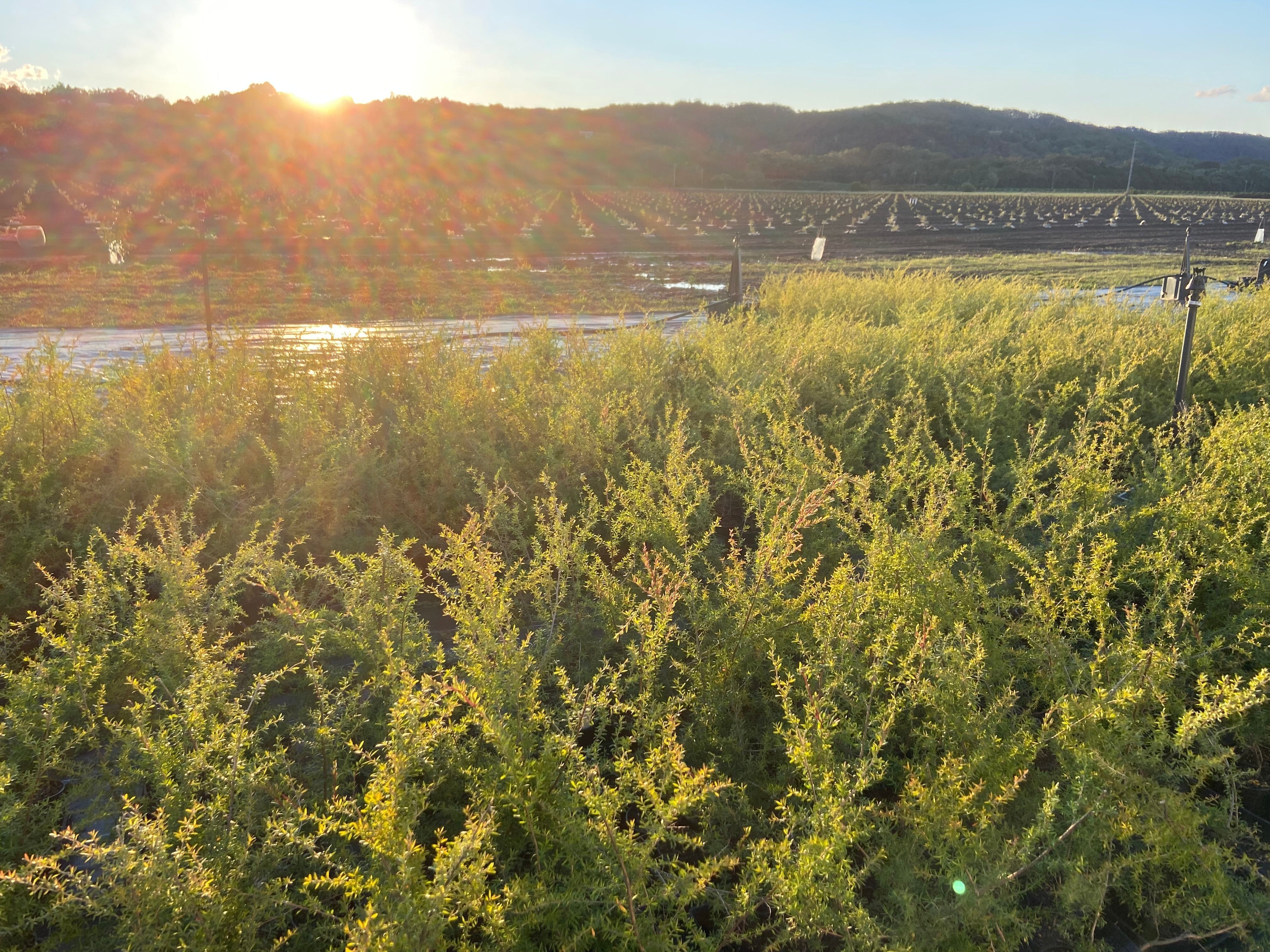
Manuka honey is produced when bees forage on native Australian Leptospermum species. These plants naturally contain high levels of DHA, a compound that slowly converts into MGO, or methylglyoxal, as the honey matures.
MGO is the compound that gives Manuka honey its unique antibacterial and bioactive properties. It is not added. It forms naturally, over time, through a process nature already understands very well.
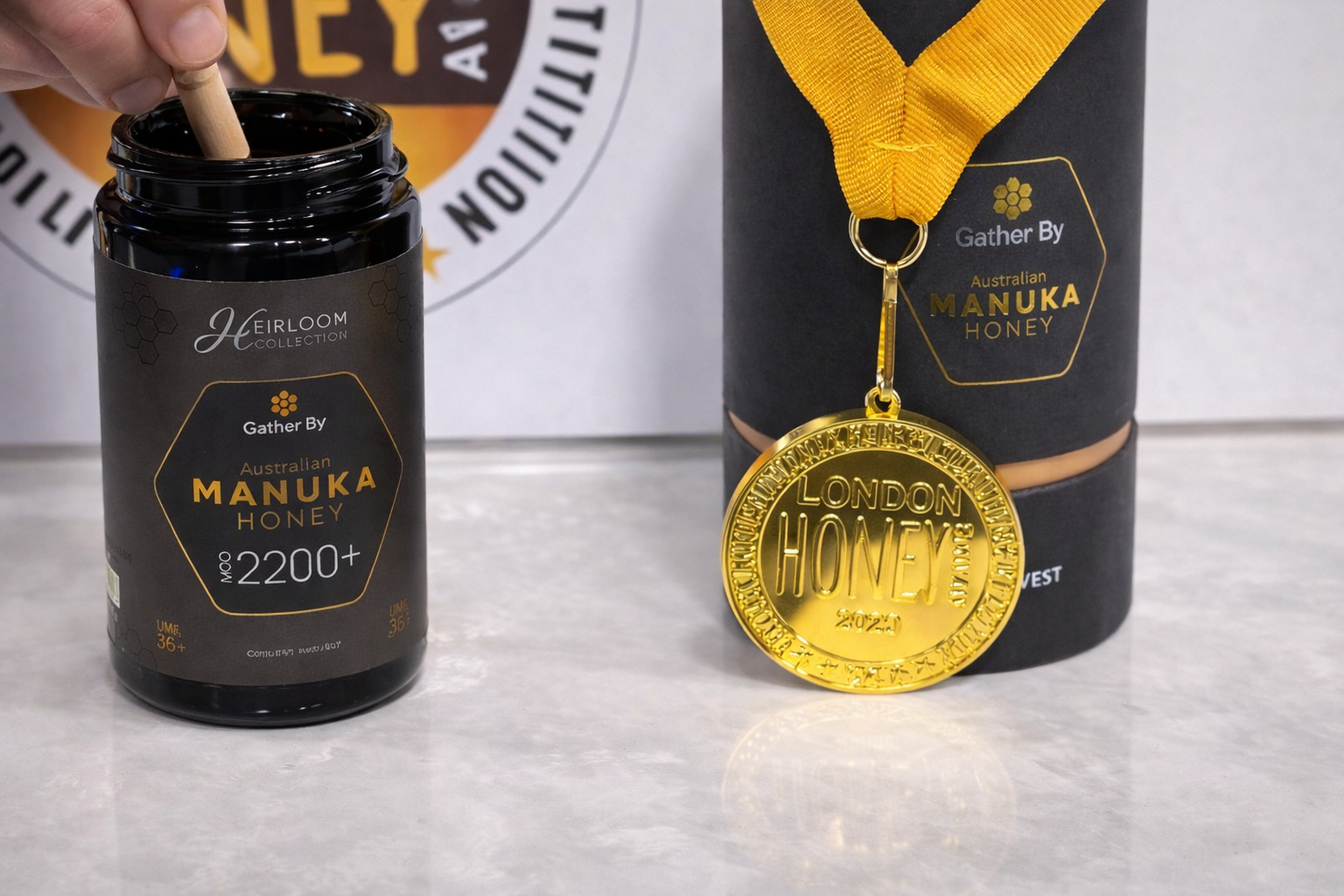
At Gather By, we measure and certify Manuka honey using the MGO rating, which tells you exactly how much of this compound is present in each jar. This transparency matters, especially when honey is being shared with children. You want to know what you are giving them, and why.
Regular honey can be nourishing and delicious, but it does not contain these consistent, measurable levels of MGO. That is the key difference.
Why Gut Health Matters So Much in Childhood
A child’s digestive system is still developing. The balance of bacteria in the gut, often called the microbiome, plays a critical role in how children digest food, absorb nutrients, and build immune strength.
Disruptions can happen easily. Changes in diet, stress, illness, antibiotics, or even busy routines can affect digestion. When the gut is unsettled, children may experience bloating, discomfort, irregular digestion, or reduced appetite.
Supporting the gut does not always require complex supplements. Often, it begins with gentle, whole foods that work with the body rather than against it.
How Manuka Honey May Support Children’s Digestive Health
Manuka honey does not act as a drug, and it should never replace medical advice. Its role is supportive. When used in small, age-appropriate amounts, it may help in several ways.
A naturally gentle antimicrobial effect
The MGO present in Manuka honey has been widely studied for its ability to discourage the growth of harmful bacteria. In the context of the gut, this may help support balance rather than dominance by unwanted microbes.
Importantly, Manuka honey does not sterilise the gut. It works gently, which is why it is often described as supportive rather than aggressive.
Soothing digestive discomfort
Many parents notice that a small amount of Manuka honey can feel calming on the digestive system. Its smooth texture and natural composition may help ease mild irritation or temporary discomfort, particularly when digestion feels unsettled.
Supporting beneficial gut bacteria
Manuka honey also acts as a natural prebiotic. This means it can help feed beneficial bacteria already present in the gut. A strong microbiome supports digestion, immunity, and overall wellbeing as children grow.
Additional comfort during seasonal illness
While not directly related to digestion, Manuka honey is well known for soothing sore throats and calming coughs. This can be especially helpful during seasonal illness, when children’s appetite and digestion are often affected.
Is Manuka Honey Safe for Children
Manuka honey is not suitable for infants under 12 months due to the risk of infant botulism. This applies to all honey, not just Manuka.
For children over one year of age, Manuka honey is generally considered safe when used appropriately. Portion size matters. Honey is still a natural sugar, and moderation is essential.
Many families use:
- Half a teaspoon for younger children
- Up to one teaspoon for older children
It can be enjoyed on its own or added to food. As with any dietary change, parents should observe how their child responds and consult a healthcare professional if there are any concerns.
Choosing the Right Manuka Honey for Your Family
Not all Manuka honey is the same. When choosing a honey for children, strength and quality are more important than extreme potency.
Things to look for include:
- Clear MGO certification, not vague claims
- Raw, unheated processing to preserve natural enzymes
- Traceability from hive to jar
- Ethical and sustainable beekeeping practices
For everyday family use, MGO 100+ or MGO 300+ are appropriate options. These levels provide gentle support without being unnecessarily strong.
At Gather By, every jar is independently tested and labelled so parents can make informed choices with confidence.
Simple Ways to Include Manuka Honey in a Child’s Diet
Manuka honey does not need to be complicated. Small, simple additions are often best.
Some easy ideas include:
- Stirring into warm, not hot, water
- Drizzling over yoghurt or fresh fruit
- Mixing into porridge or overnight oats
- Blending into smoothies
- Using lightly in homemade baking
These approaches allow children to enjoy the taste while keeping portions sensible.
Why Families Choose Gather By Manuka Honey
At Gather By, we do not see honey as a commodity. We see it as part of a living system that connects plants, bees, land, and people.
Our Manuka honey is:
- Produced from native Australian Leptospermum species
- Certified for MGO content with full transparency
- Raw and gently handled to preserve natural structure
- Sourced through regenerative practices that support bee health and biodiversity
For families, this means trust. Trust in what is on the label. Trust in how it is made. Trust in the people behind it.
Frequently Asked Questions
1] Can children have Manuka honey every day?
Yes, in small amounts. Moderation is key. It should be part of a balanced diet, not a replacement for whole foods.
2] What MGO level is best for children?
MGO 100+ or MGO 300+ are suitable for gentle, everyday family use.
3] Can Manuka honey help with immunity?
Manuka honey contains natural compounds that may support immune balance, especially during seasonal changes.
4] Is Manuka honey better than regular honey for kids?
It offers additional bioactive properties due to MGO, but both should be used mindfully.
5] Can Manuka honey be heated?
It is best added after heating, as high temperatures can reduce enzyme activity.
A Gentle Approach to Growing Well
Children do not need extreme solutions. They need consistency, nourishment, and care. Manuka honey, when used thoughtfully, fits beautifully into that picture.
It is not about doing more. It is about choosing well.
At Gather By, we are proud to offer Manuka honey that families can trust, from the first spoonful to the years that follow.

Leave a comment
This site is protected by hCaptcha and the hCaptcha Privacy Policy and Terms of Service apply.