
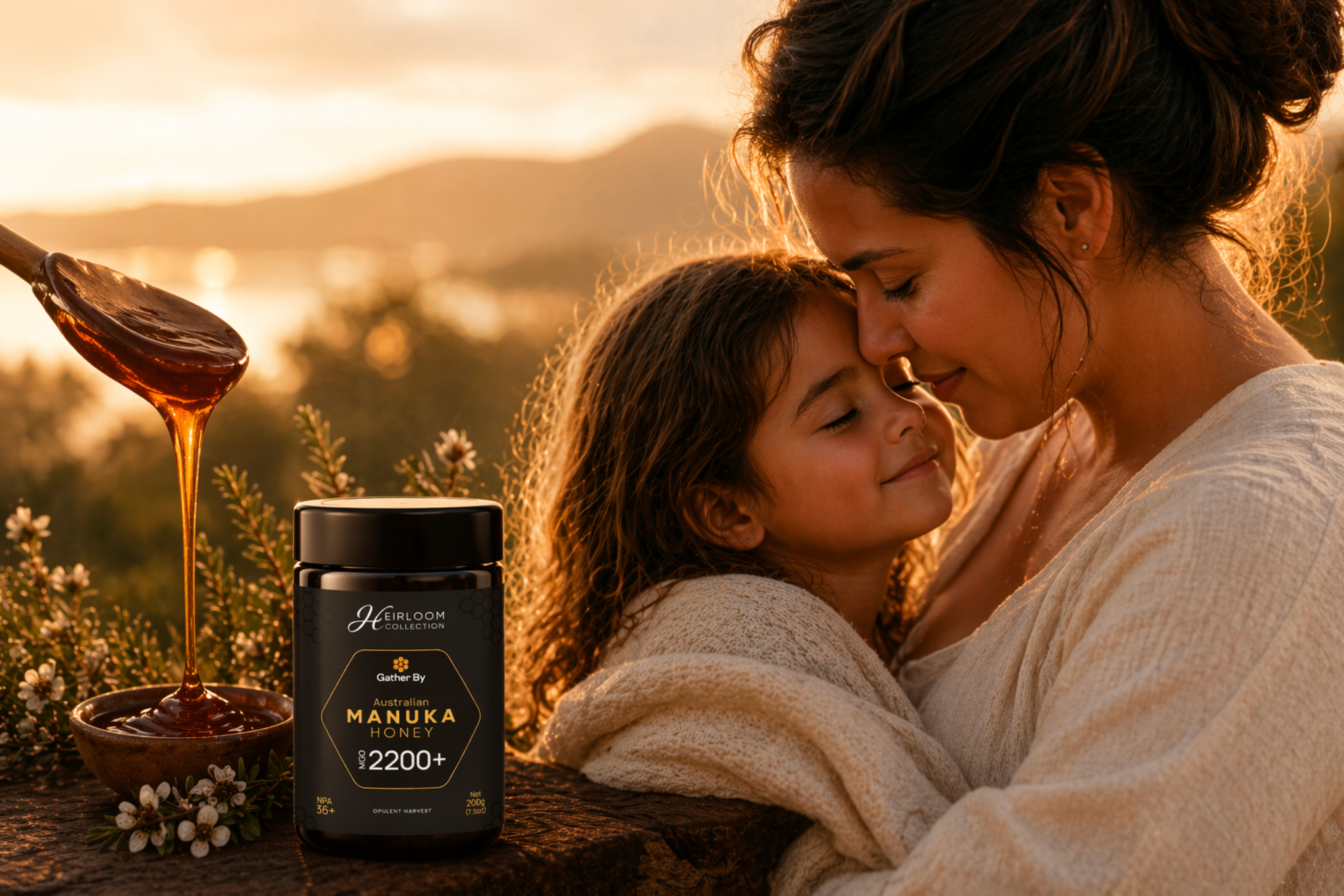
Mother’s Day: What Mothers Pass On Matters More Than We Think
The beginning of everything
Every human life begins the same way.
Carried, protected and nurtured by a mother.
Before language, before culture, before civilisation — there were mothers.
They are the constants across every generation.
And while we often celebrate motherhood through moments and milestones, what mothers truly do runs much deeper.
They don’t just bring life into the world.
They shape it.
The role of mothers in every society
Across every culture in human history, the role of mothers has been central to survival, growth and continuity.
Mothers have always been:
-
The first source of nourishment
-
The first protector
-
The first teacher
-
The first environment a child experiences
Long before formal education or structured healthcare, it was mothers who shaped how children were fed, cared for and introduced to the world around them.
Strong communities have always been built on strong mothers.
And that hasn’t changed.
What science now confirms
Modern science is beginning to explain something mothers have always intuitively known:
What happens early in life matters.
Not just emotionally — but biologically.
Research now shows that early life experiences, including nutrition and environment, can influence how our bodies develop and respond over time — an area often referred to as epigenetics.
Why early development matters
This growing body of research highlights that:
-
Nutrition during pregnancy matters
-
Stress levels can influence development
-
Early care and environment shape long-term health
These early influences can affect:
-
Immune function
-
Metabolism
-
Resilience
-
Overall wellbeing
In simple terms, how we are supported early in life can have lasting effects.
A role as old as time
While science is only now catching up, the role of mothers in shaping life is far older.
Long before modern medicine, nourishment came from the natural world.
Honey is one of the oldest known foods on earth.
Bees evolved over 100 million years ago, long before humans.
Across early human populations, honey was valued as a source of:
-
Energy
-
Nutrition
-
Natural support for healing
It was rare, valuable, and often sought out with effort.
And like many aspects of early life, it became part of how communities nourished and supported one another.
Nourishment through generations
In traditional societies, food was more than sustenance.
It was care.
Mothers played a central role in gathering, preparing and sharing it.
Not just to feed their children — but to support their growth and resilience.
From simple broths to natural foods like honey, these choices formed part of a broader system of nurturing.
A system built on instinct, observation and care.
What has changed — and what hasn’t
Today, we live in a world of abundance — but also complexity.
We have more information than ever before about:
-
Nutrition
-
Health
-
Development
And yet the fundamentals remain the same.
Children still rely on:
-
Nourishment
-
Stability
-
Care
-
Consistency
And mothers remain at the centre of that.
What has changed is our ability to understand why it matters.
The importance of simple daily choices
One of the most powerful ideas to emerge from both science and history is this:
Small, consistent choices matter.
A daily routine.
A moment of care.
A choice to nourish rather than simply consume.
These are the things that shape long-term wellbeing.
And they don’t need to be complicated.
A more natural way to think about wellbeing
At Gather By, we believe the future of health lies in returning to something simpler.
Not going backwards but reconnecting with what has always worked.
Working with nature.
Choosing quality.
Supporting the body, rather than overwhelming it.
Natural foods like Manuka honey have long been part of that story.
Not as a cure-all.
But as something that supports:
-
Energy
-
Recovery
-
Everyday wellbeing
What we pass on
Motherhood is not just about a moment in time.
It’s about what is passed on.
Not just physically — but through:
-
Care
-
Behaviour
-
Environment
-
Daily habits
These things shape the next generation.
Quietly.
Consistently.
Powerfully.
A small role in a much bigger story
When you step back, it becomes clear:
Mothers have always carried more than we often acknowledge.
They carry responsibility.
They carry influence.
They carry the future.
At Gather By, we see our role as small but meaningful within that.
To provide products that support:
-
Quality
-
Simplicity
-
Natural nourishment
And to be part of a broader system that respects both people and the environment.
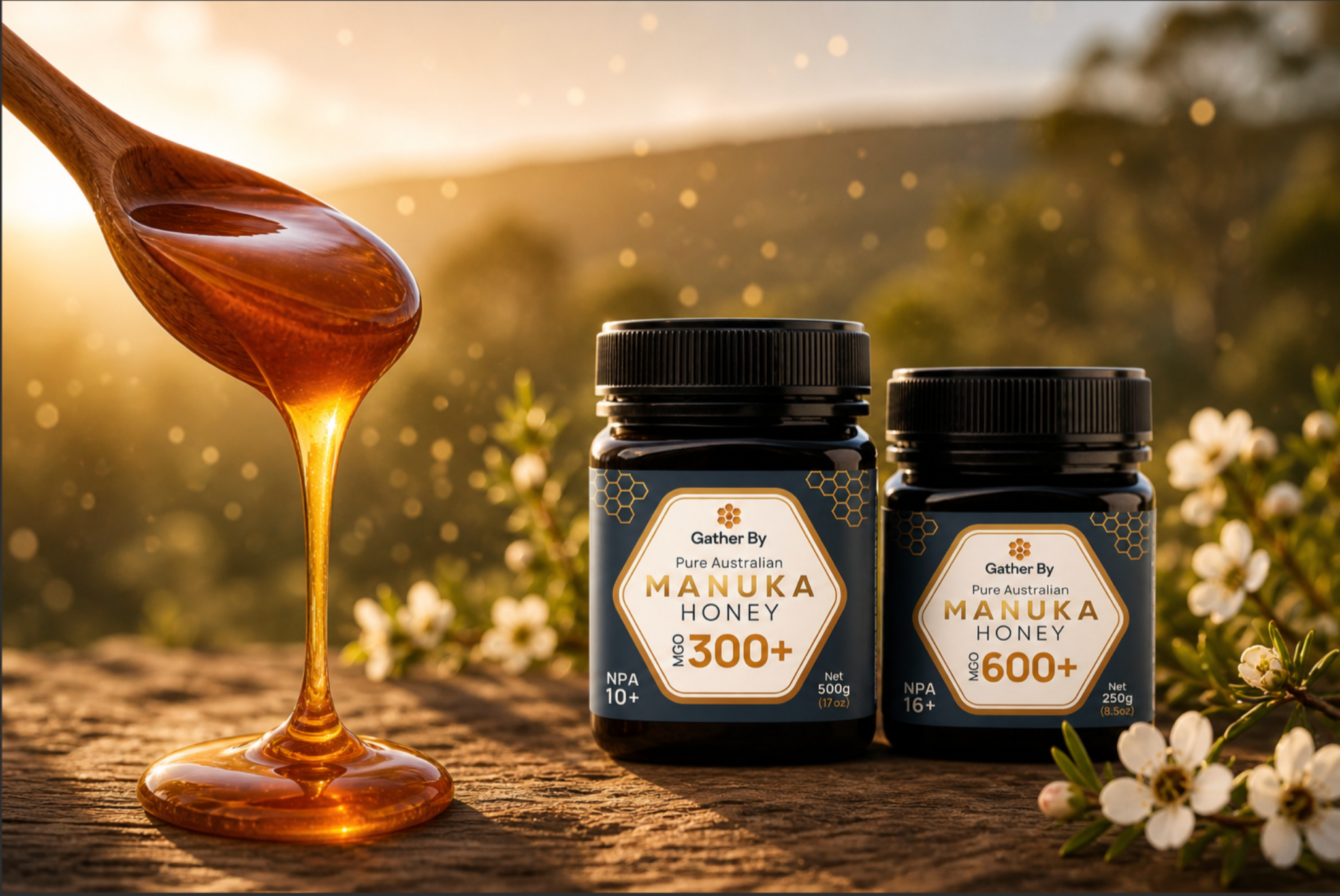
A simple way to support everyday wellbeing
For those looking to introduce small, consistent rituals into daily life:
Designed for:
-
Everyday wellness
-
High MGO targeted support
-
Simple, natural integration into daily routines
Because sometimes the smallest habits are the ones that stay with us the longest.
FAQs
What is epigenetics in simple terms?
Epigenetics is the study of how environment and lifestyle influence how our genes are expressed, without changing the DNA itself.
Why is early life development so important?
Early development shapes long-term health, including immune function, metabolism and resilience.
What role do mothers play in development?
Mothers influence early nutrition, environment and care, all of which contribute to long-term wellbeing.
Has honey always been part of human diets?
Yes, honey is one of the oldest known foods, used by early human populations for energy, nutrition and natural support.
How can I support wellbeing naturally?
Focus on simple, consistent habits — including balanced nutrition, rest and natural foods that support the body.
Final thoughts
Motherhood is one of the most important roles in human history.
Not just for bringing life into the world.
But for shaping what comes next.
What we pass on matters.
And often, it’s the small, everyday choices that have the greatest impact.
Written by Matt Blomfield

Jätä kommentti
Tämä sivu on suojattu hCaptcha-tunnistuksella, ja hCaptchan tietosuojakäytäntöjä ja käyttöehtoja sovelletaan.