

Manuka Honey Benefits Sexually: Can It Support Libido, Circulation and Intimacy Naturally?
Does Manuka Honey Improve Libido? Science, Vitality and Connection Explained
Intimacy changes over time.
Stress accumulates. Energy fluctuates. Hormones shift. Circulation slows. What once felt instinctive can begin to feel effortful.
For many men and women, reduced libido is not simply physical. It affects confidence, emotional closeness and relational connection.
For centuries, honey symbolised vitality and fertility. Newlyweds were gifted honey during the “honeymoon” period to nourish both body and bond. Today, growing interest in Manuka honey benefits sexually reflects a desire for natural ways to support the biological foundations of intimacy.
Manuka honey is not a pharmaceutical enhancer. It is not a quick fix.
But its antioxidant, circulatory-supporting and microbiome-balancing properties may help support the systems that influence libido and sexual vitality over time.
Sometimes intimacy does not need stimulation. It needs restoration.
Why Sexual Vitality Declines
Sexual wellbeing is shaped by interconnected systems:
-
Circulatory health
-
Hormonal balance
-
Oxidative stress
-
Energy metabolism
-
Gut health
-
Inflammation
Life stage transitions such as perimenopause, menopause or andropause
-
Chronic stress elevates cortisol.
-
Oxidative stress damages blood vessels.
-
Hormonal shifts influence desire.
-
Fatigue reduces stamina.
In both men and women, sexual responsiveness depends heavily on vascular integrity and metabolic resilience.
Supporting these systems holistically may help restore balance gradually and sustainably.
What Makes Manuka Honey Biologically Different?
Manuka honey is produced when bees collect nectar from Leptospermum plants native to Australia.
Australia is home to more than 80 native Leptospermum species — the largest genetic diversity in the world. Certain Australian varieties contain naturally high levels of DHA (dihydroxyacetone) in their nectar.
Over time, DHA converts into methylglyoxal (MGO) as the honey matures.
MGO is the compound used to measure Manuka honey’s non-peroxide bioactivity.
Unlike regular honey, which primarily relies on hydrogen peroxide activity that can degrade with heat and light, Manuka honey contains stable and measurable bioactive strength.
Its composition includes:
-
Methylglyoxal (MGO)
-
Polyphenols
-
Flavonoids
-
Natural enzymes
-
Trace minerals such as zinc and selenium
-
B vitamins
These compounds collectively contribute to antioxidant protection and cellular resilience, key elements in circulatory and hormonal health.
Circulation: The Foundation of Arousal
Healthy blood flow is essential for both male and female arousal.
Erections depend on nitric oxide signalling and vascular function. Female arousal also relies on adequate blood supply to genital tissues.
Oxidative stress can damage endothelial cells lining blood vessels, reducing responsiveness over time.
Polyphenols and antioxidants help protect vascular tissue from oxidative strain.
While Manuka honey does not act as a pharmaceutical vasodilator, its antioxidant profile may help support:
-
Vascular protection
-
Nitric oxide stability
-
Reduced oxidative damage
Better circulation supports natural responsiveness.
Natural responsiveness supports confidence.
Hormonal Balance and Testosterone Protection
Hormones regulate desire, mood and reproductive function.
Some animal research suggests honey may help protect reproductive tissues from oxidative stress and support healthy testosterone levels under certain conditions. Human research is still developing, but antioxidant intake is widely recognised as important for hormonal resilience.
The goal is not hormone boosting.
It is hormone protection and balance.
Supporting oxidative stability may help create a healthier internal environment for libido over time.
Energy, Metabolism and Intimacy
Fatigue is one of the most common reasons intimacy declines.
Manuka honey provides natural carbohydrates for steady energy without the sharp crash associated with refined sugar.
Its micronutrients support:
-
Immune function
-
Cellular repair
-
Metabolic processes
Feeling energised influences mood, presence and engagement.
Intimacy is rarely just physiological. It is relational and emotional.
The Gut–Hormone Connection
Gut health influences:
-
Estrogen metabolism
-
Inflammatory load
-
Nutrient absorption
-
Immune regulation
Manuka honey contains natural prebiotic compounds and antimicrobial properties that may support microbiome balance when consumed appropriately.
Laboratory research shows Manuka honey may inhibit certain unwanted microbes while allowing beneficial bacteria to thrive.
Supporting gut balance may indirectly support hormonal harmony and overall vitality.
Female Comfort and Microbiome Balance
For women, vaginal discomfort or microbiome imbalance can significantly affect intimacy.
Research indicates Manuka honey may inhibit Candida albicans while preserving beneficial lactobacillus bacteria in laboratory conditions. Some clinical trials using honey-based preparations have demonstrated comparable symptom relief in certain vaginal candidiasis cases.
Its natural acidity and MGO content create an environment less favourable to imbalance.
Manuka honey is not a replacement for medical care, but when used responsibly and under guidance, it may support comfort — and comfort supports connection.
Benefits for Men
Vascular Integrity
Supporting antioxidant protection may help maintain healthy blood vessel function, central to erectile response.
Reproductive Tissue Protection
Some research suggests honey’s antioxidants may help protect sperm cells from oxidative damage.
Hormonal Stability
Oxidative balance plays a role in testosterone resilience.
Manuka honey should be viewed as supportive within a holistic lifestyle, not as a treatment for erectile dysfunction.
Benefits for Women
Hormonal Transition Support
During perimenopause and menopause, antioxidant intake may support tissue resilience and reduce inflammatory stress.
Microbiome Support
Maintaining vaginal microbiome balance may improve comfort.
Energy and Mood
Stable energy supports emotional closeness and desire.
Sexual health is not only about desire. It is about feeling well in your body.
Choosing the Right MGO Level
Selecting the appropriate strength matters.
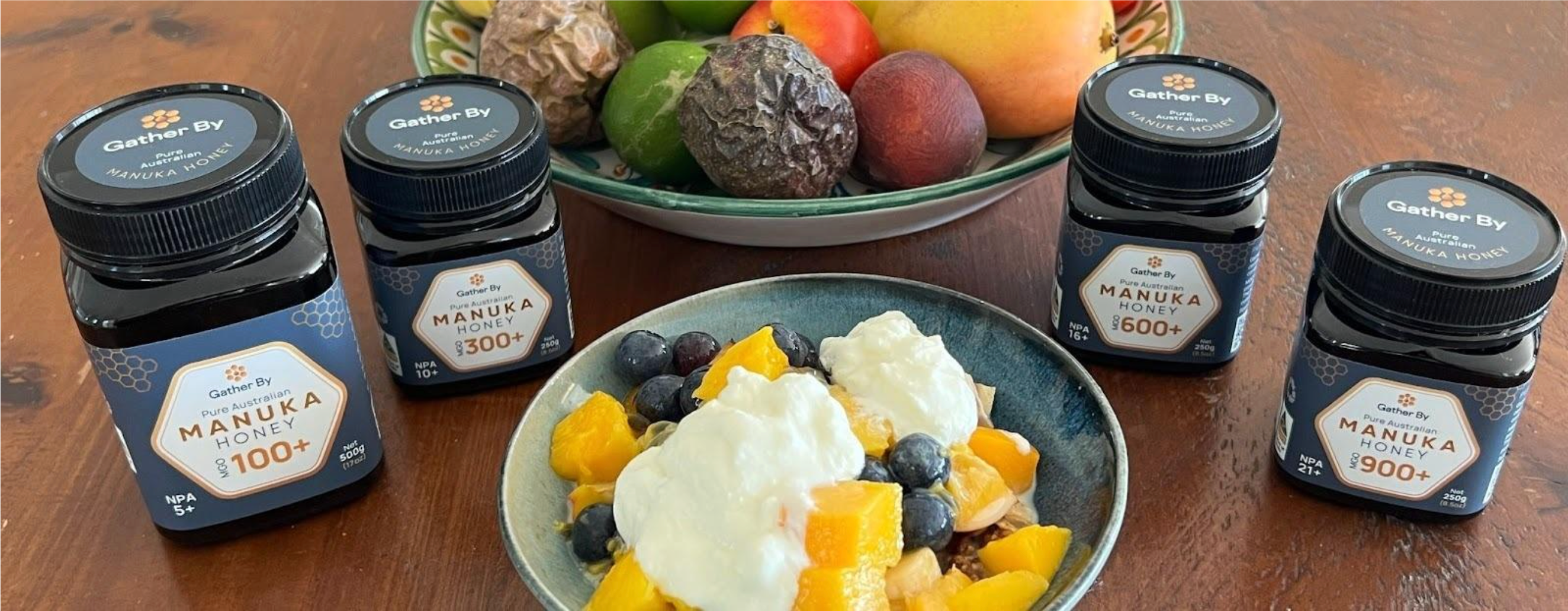
MGO300+
Ideal for daily vitality and antioxidant support.
MGO600+
Chosen during periods of stress, fatigue or increased inflammatory load.
MGO2000+
Reserved for short-term intensive use only.
For most individuals, 1 teaspoon daily of MGO300+ or MGO600+ is sufficient.
Consistency matters more than excess.
Safety Considerations
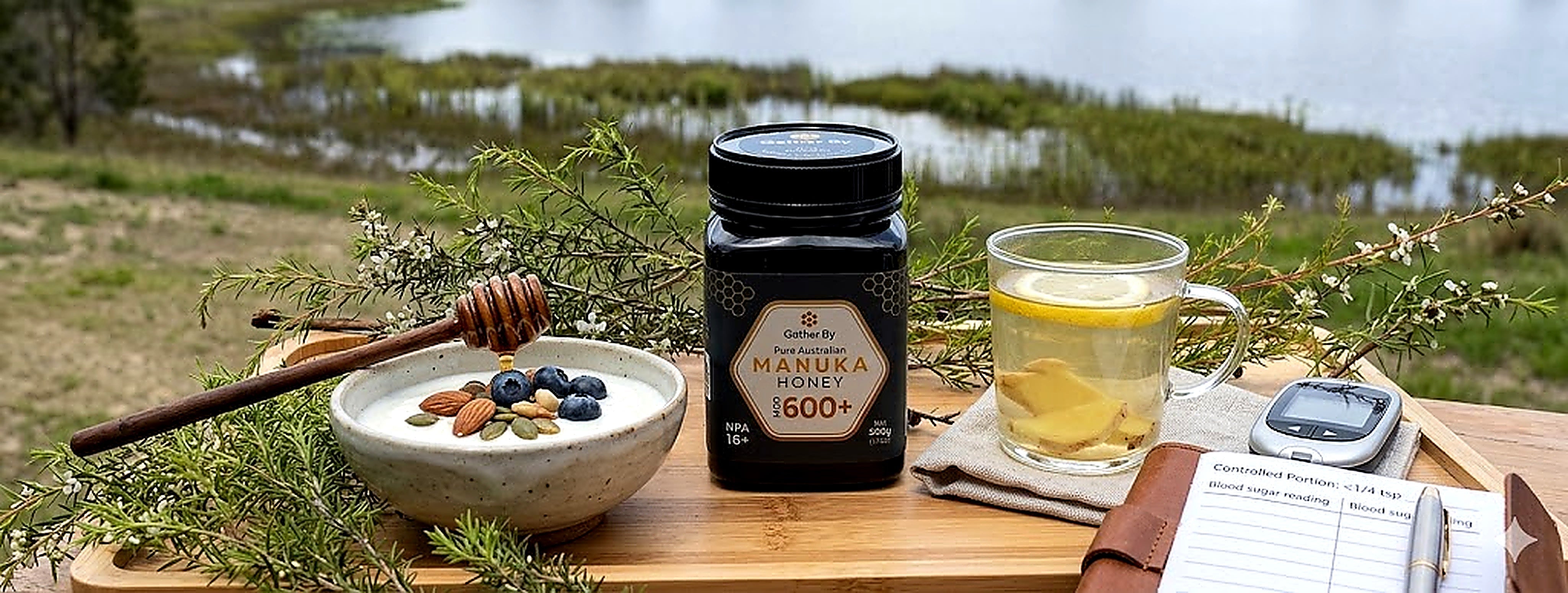
Manuka honey contains natural sugars.
If you have diabetes:
-
Limit intake
-
Monitor blood glucose
-
Consult your GP
Moderation preserves benefit.
Frequently Asked Questions
How much Manuka honey should I take daily for sexual support?
For general vitality and circulatory support, 1 teaspoon daily of MGO300+ or MGO600+ is typically sufficient. Higher MGO levels such as MGO2000+ should be used in smaller amounts and for short periods only.
Can Manuka honey improve libido?
Manuka honey may support libido indirectly by helping maintain circulation, antioxidant balance and energy levels. It is not a pharmaceutical stimulant.
Does Manuka honey increase testosterone?
Some animal studies suggest antioxidant-rich honey may help protect testosterone production from oxidative stress. More human research is needed.
How long does it take to notice benefits?
Energy changes may be noticed within days. Circulatory or hormonal support may take several weeks of consistent intake.
Is it safe during menopause?
In moderate amounts, yes. Its antioxidant properties may support tissue health and vitality during hormonal transitions.
Does Manuka honey raise blood sugar?
Manuka honey has a lower glycaemic index than refined sugar but still affects glucose levels. Individuals with diabetes should monitor intake carefully.
Returning to Balance
Sexual wellbeing is not about intensity alone.
It is about:
-
Connection.
-
Confidence.
-
Comfort.
-
Energy.
Modern life quietly challenges these foundations through stress, sleep disruption and inflammatory overload.
Manuka honey does not override biology. It supports it.
At Gather By, our responsibility is simple: protect the botanical strength of Australian Leptospermum, verify it independently, and offer it honestly.
When intimacy shifts, sometimes the path forward is not synthetic stimulation.
It is restoring balance - gently, consistently, naturally.

Leave a comment
This site is protected by hCaptcha and the hCaptcha Privacy Policy and Terms of Service apply.